Home / FDM Printing / High-Performance FDM
Industrial FDM · High-Performance Polymers

Hotter, stronger, built to last.

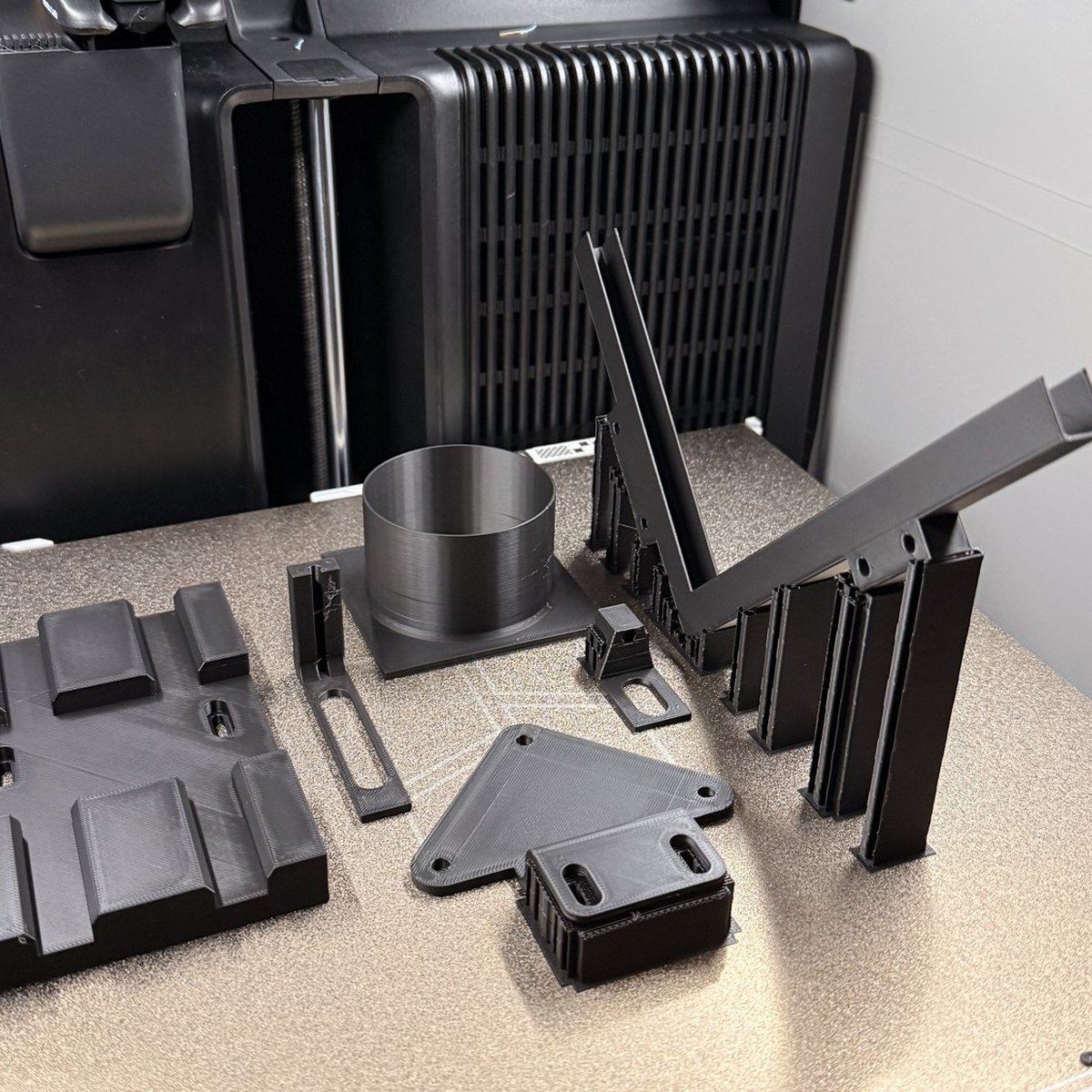
Nylons, polycarbonate, PPS, PPA and PEEK printed on high-temperature machines — for parts that have to survive heat, chemicals, load, or all three. When a standard filament won’t cut it, this is the lane.

Footage: Vision Miner
Overview

Engineering polymers, run to spec.

This lane exists for parts that have a requirement attached — a service temperature, a chemical, a load, a wear life. Carbon-fibre nylon and polycarbonate cover most of them; PPS, PPA and PEEK cover the rest, at a cost that only makes sense when the part genuinely needs it.

What actually separates a working part from a convincing-looking one here is process control: hot end temperature, chamber temperature, how dry the filament was when it went in, and which way the layers run relative to the load. Those get set deliberately and written down, so the second run matches the first.

Applications

Where it earns its cost.

If your part doesn’t need this, we’ll say so and point you at standard FDM, which is faster and cheaper.
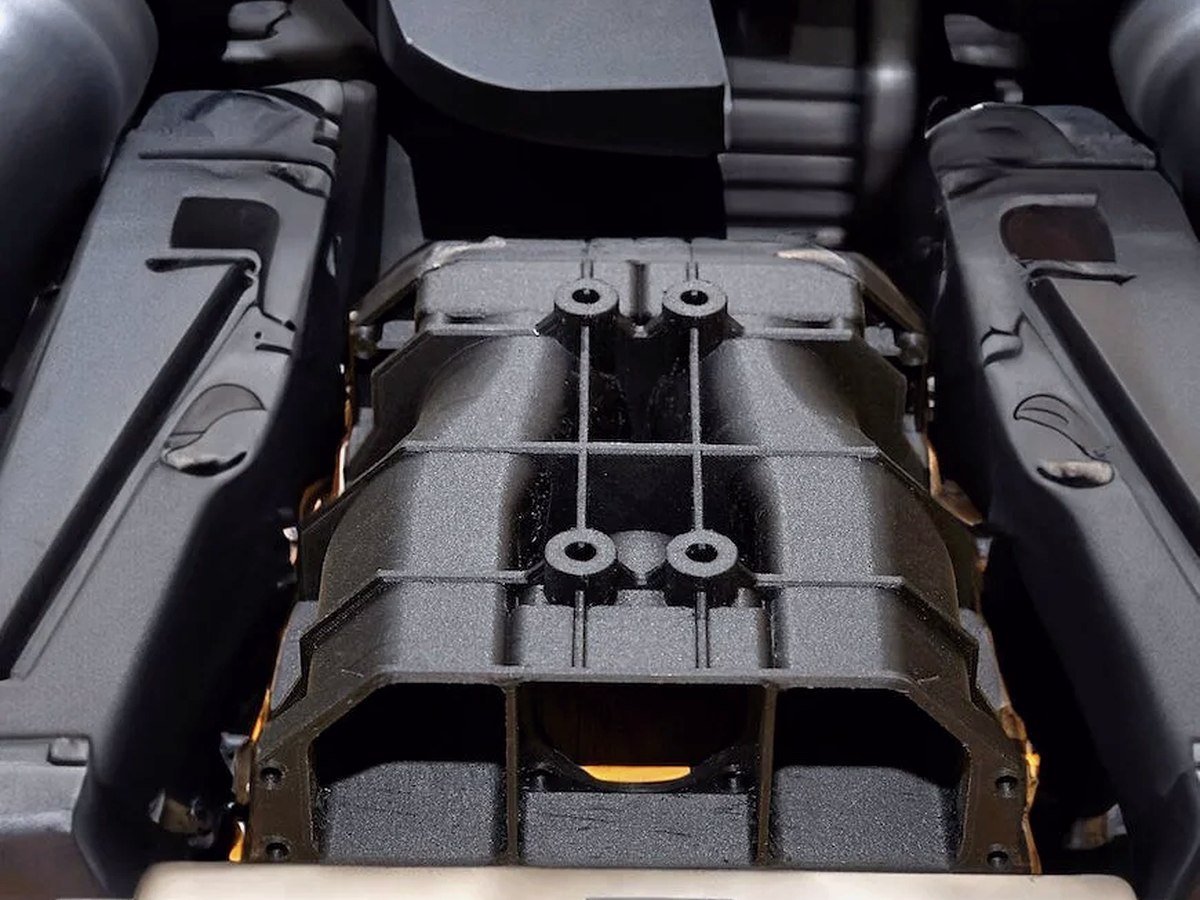
A printed intake manifold in an engine bay

High Heat

  • Parts that live near engines, motors or process heat
  • Hold shape well past where PLA and PETG start to creep
  • PPS grades stay stiff above 125°C
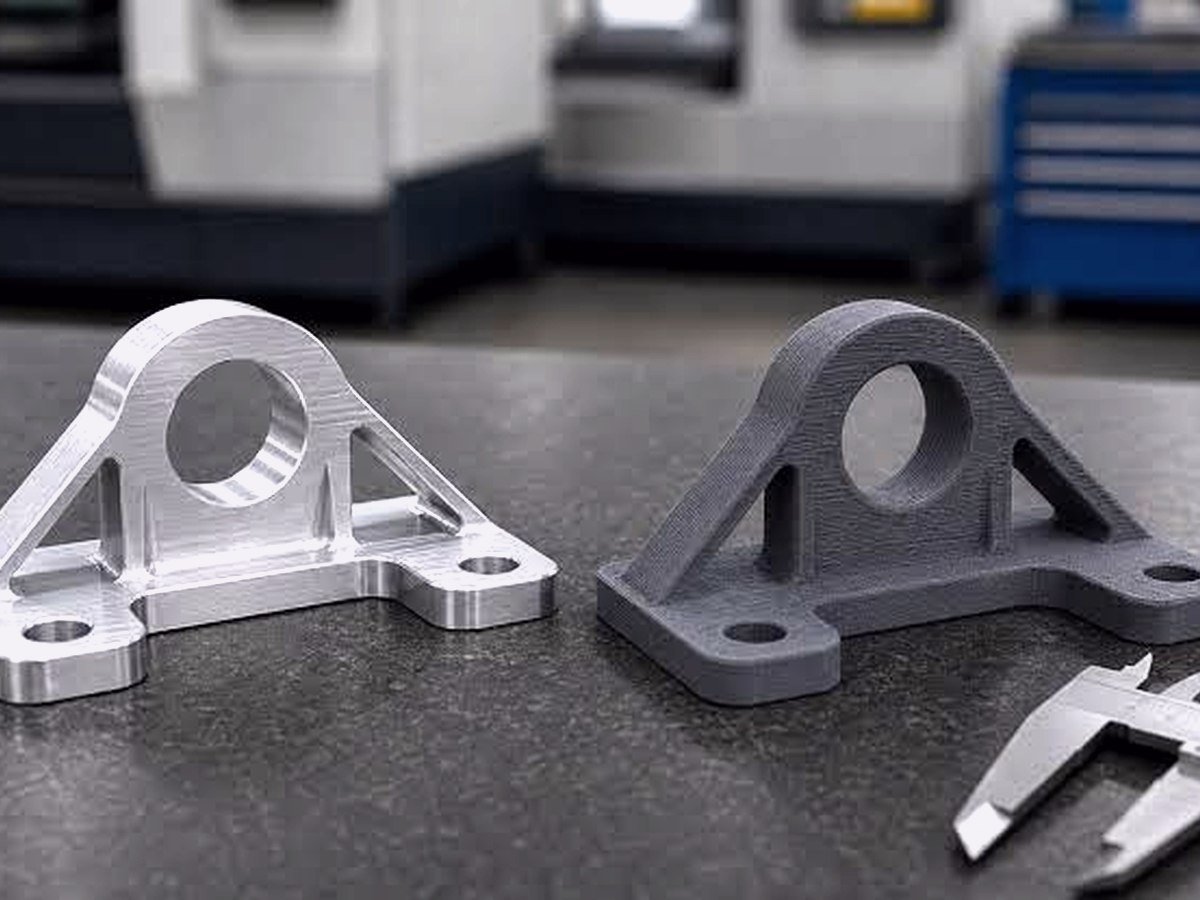
A machined aluminium bracket beside the printed version that replaces it

Metal Replacement

  • Cut weight against a machined aluminium part
  • Days instead of weeks, with no tooling spend
  • Geometry a mill would need the part redesigned around
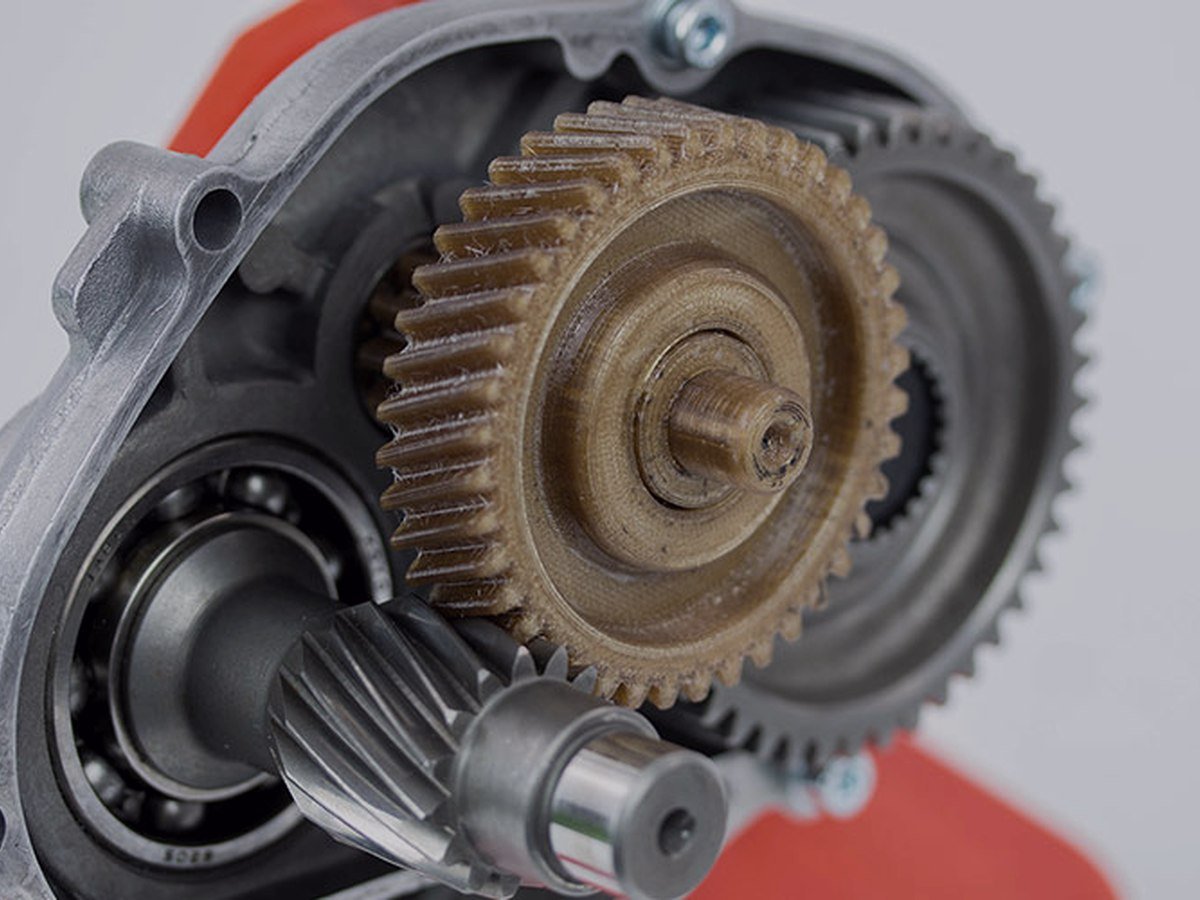
A printed nylon gear running in a gearbox

Wear Components

  • Gears, bushings and bearing surfaces
  • Nylon runs low-friction without added lubrication
  • Quieter than the metal part it replaces
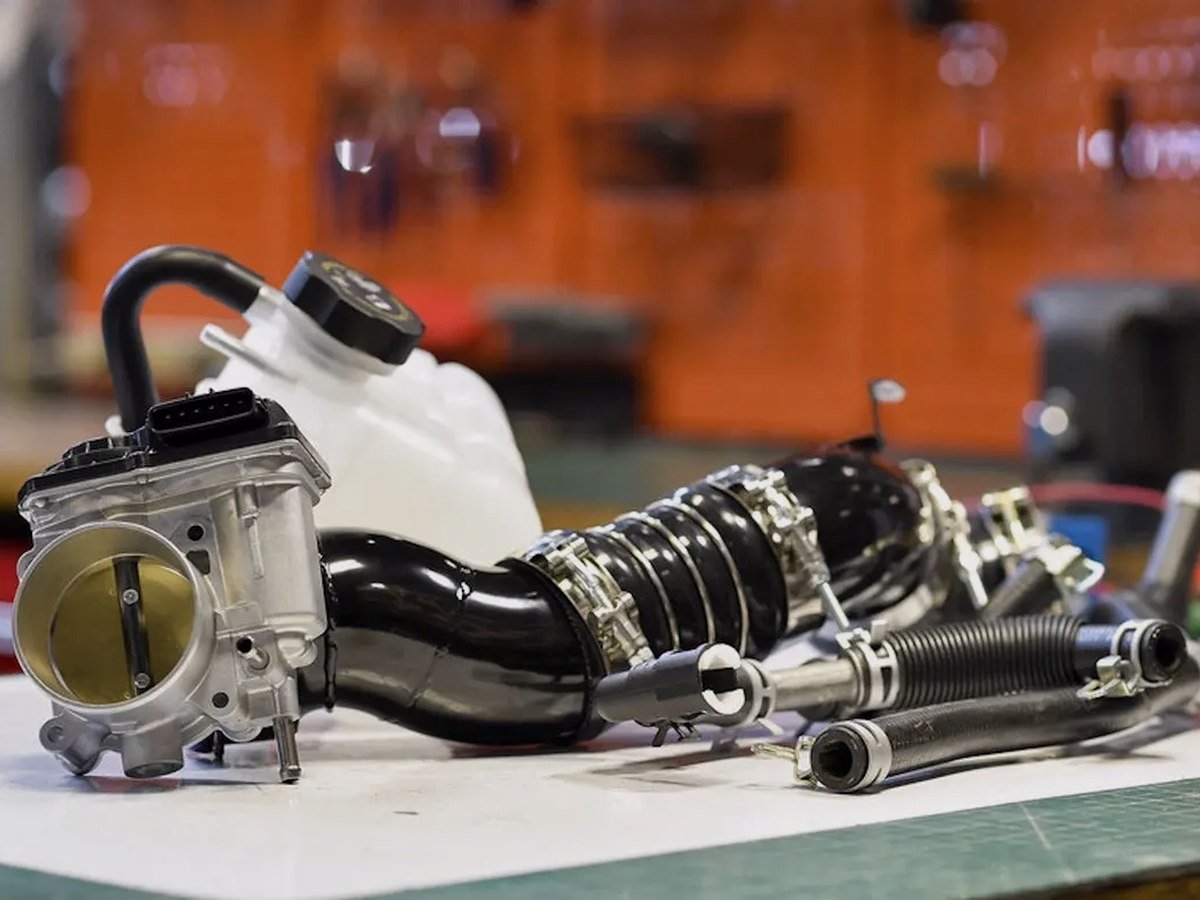
Throttle body and fuel lines with printed components

Fuel & Chemical Exposure

  • PPS for fuels, solvents and harsh cleaning
  • Lab and process fixtures that get wiped down constantly
  • Housings and seals in chemically active environments
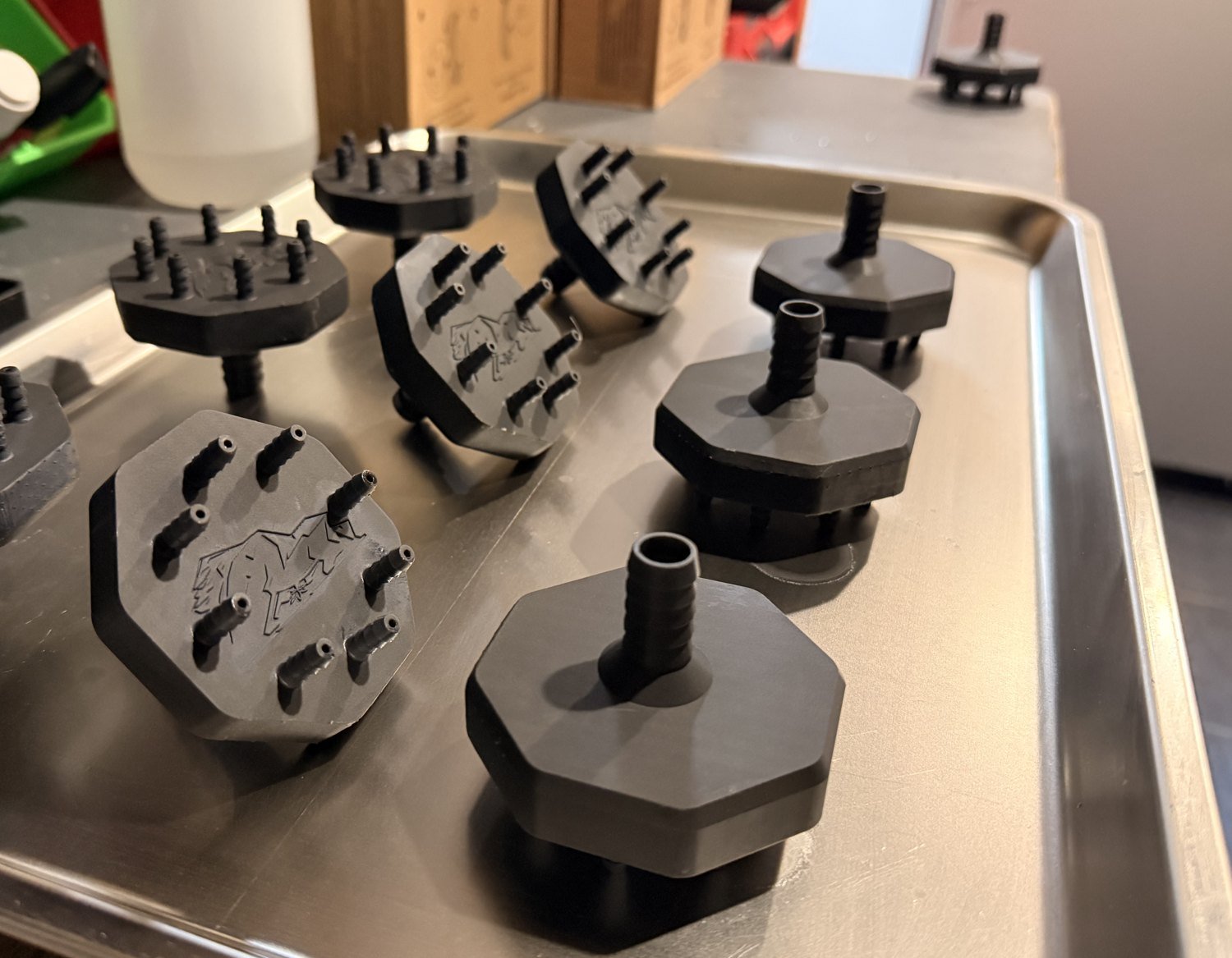
At a glance

Main advantages.

◯
CF-reinforcedStiffness-to-weight approaching aluminium
▣
Metal replacementLose the weight and the machining lead time
▲
Holds shape hotStill stiff where everyday plastics soften
▧
Chemical resistantFuels, solvents and repeated washdown
⚙
No tooling costOne part or fifty — no mould to pay for
✓
Reorders matchThe second batch comes back like the first
How we run it

The material is the easy choice. The process isn’t.

Engineering polymer parts in the selected grade

The right polymer, not the most impressive one

PEEK is remarkable and expensive, and most parts don’t need it. Tell us the service temperature, the chemicals involved and the load, and we’ll recommend the cheapest grade that clears all three — often CF-nylon or polycarbonate rather than the exotic option.

Functional printed parts oriented for their load path

Layers that work with the load, not across it

FDM parts are strongest in-plane and weakest between layers. We orient the build so layer boundaries don’t sit across the load path, and set wall count and infill for the stress the part will actually see — usually worth more than reaching for a stronger material.

Photo — filament drying
& controlled storage

Moisture decides whether it’s a part or a paperweight

Nylon, PC and PEEK are hygroscopic. Filament that has sat out absorbs water, which flashes to steam in the melt and leaves bubbled, weak layers — parts that pass a visual check and fail a pull test. Material is dried to spec and kept dry through the build.

Materials

Compare the engineering filaments.

Pick the ones you’re weighing up and read them side by side. Numbers are for printed specimens, so they reflect what comes off the machine rather than the raw polymer.

Full filament library →
Filaments PA6 CF20Stiffest, highest heat PET CF17Stiff jigs & tooling PPS CF10Chemical resistance PPS GF20Stable under heat PET GF15Dimensionally stable ASA CF08Stiff and UV-stable PA12 CF10Tough structural nylon PCStrong, high heat PETG ESDStatic-safe handling
Mechanical properties
RigidityYoung’s Modulus — XY 8636.5 MPa 5481.0 MPa 5446.7 MPa 4552.0 MPa 4144.2 MPa 3611.7 MPa 3311.2 MPa 2110.0 MPa 1983.0 MPa
StrengthTensile Strength — XY 109.3 MPa 65.9 MPa 59.4 MPa 64.1 MPa 59.9 MPa 43.5 MPa 77.4 MPa 62.0 MPa 36.1 MPa
Rigidity (Z)Young’s Modulus — Z 3759.5 MPa 3558.8 MPa 2790.0 MPa 2557.2 MPa 3428.9 MPa 1903.8 MPa 1806.6 MPa 1450.0 MPa 1626.4 MPa
Layer AdhesionTensile Strength — Z 54.0 MPa 27.9 MPa 32.0 MPa 22.9 MPa 48.2 MPa 25.0 MPa 52.2 MPa 56.0 MPa 20.7 MPa
Impact ResistanceCharpy Notched — XY 11.0 kJ/m² 5.1 kJ/m² 5.3 kJ/m² 7.3 kJ/m² 8.7 kJ/m² 5.5 kJ/m² 9.9 kJ/m² 7.5 kJ/m² 5.7 kJ/m²
Heat ResistanceDeflection Temp — ISO 75, 1.8 MPa 173.0 °C 105.0 °C 133.0 °C 125.8 °C 87.3 °C 97.3 °C 105.0 °C 117.0 °C 72.0 °C
Datasheet TDS TDS TDS TDS TDS TDS TDS TDS TDS

Dry, annealed printed specimens (ISO 527 / ISO 179 / ISO 75) — the basis on which all of these are comparable. Nylons take up moisture in service and soften as they do: PA6 CF20 measures 2508 MPa and 54.7 MPa after 48 hours of water conditioning, against 8637 MPa and 109.3 MPa dry. Tell us the environment and we’ll quote against the right condition.

Close variants we also run: PA612 ESD, PC FR — same family as the grade beside them, ask and we’ll send the datasheet. PEEK, PEI (ULTEM) and PPA-CF are available to order for jobs that need them. See all 18 filaments →

Other options

Not sure this is the right lane?

Common questions

Industrial FDM, answered.

Can you actually print PEEK and PPS?
Yes — these need high-temperature hot ends, a heated enclosed chamber, and thoroughly dried filament, which is exactly how we run them. Tell us your temperature, chemical, and load requirements and we’ll confirm the right grade before quoting.
How strong are these parts compared to metal?
Carbon-fibre nylon and PPA approach or exceed aluminium on a stiffness-to-weight basis for many geometries, and PEEK holds up under heat and chemicals that would degrade most plastics. We orient and tune the print for the load path so the part performs as intended. Where a part genuinely needs metal, we’ll tell you that too.
Why does moisture matter so much?
These polymers are hygroscopic — they absorb water from the air, which turns to steam at print temperature and causes weak, bubbled layers. We dry and store filament in controlled conditions so parts hit their intended properties.
What’s the lead time?
Typically 3–10 business days — longer than standard FDM, since materials may need to be ordered and dried before printing. We’ll give you a firm date when we quote.
Is this more expensive than standard FDM?
Yes — the materials and machine time both cost more. If your part doesn’t genuinely need the performance, we’ll tell you and point you to standard FDM instead.
Can you match a drawing callout?
Send the drawing. We’ll confirm which dimensions we can hold as-printed, which need machining or reaming afterwards, and which aren’t realistic in FDM at all — before you commit to anything.

Got a demanding application?

Tell us the temperature, chemicals, and loads your part will see — we’ll recommend the material and print it properly.