Home / FDM Printing / Large-Format FDM
Large-Format FDM · Up to 1000 mm

Big parts, printed in one piece.

Oversized housings, ducting, tooling and display parts up to a metre — built as a single piece, so there is no bond line to become the weak point. Five to ten days, shipping Canada-wide from Kitchener.

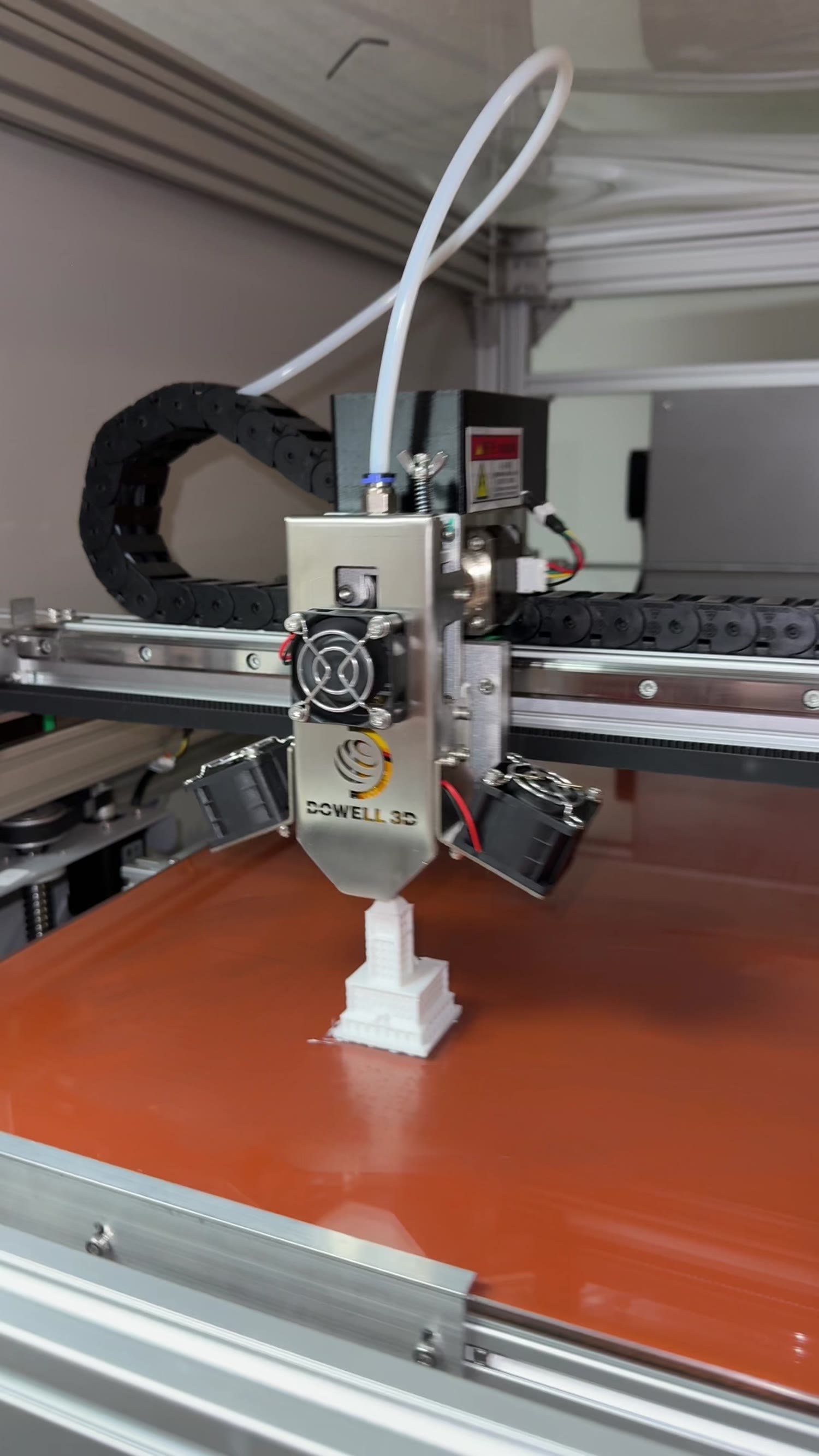
Footage: CreatBot
The difference

Two things change when the part gets big.

Past a certain size most shops split the model, print the halves, and glue them. That works until the part is loaded, hits weather, or has to look like one object.

A large part printing as a single continuous piece One piece, no seamsNo bond lines, no alignment jigs, no glue-up labour — and no joint to fail first.
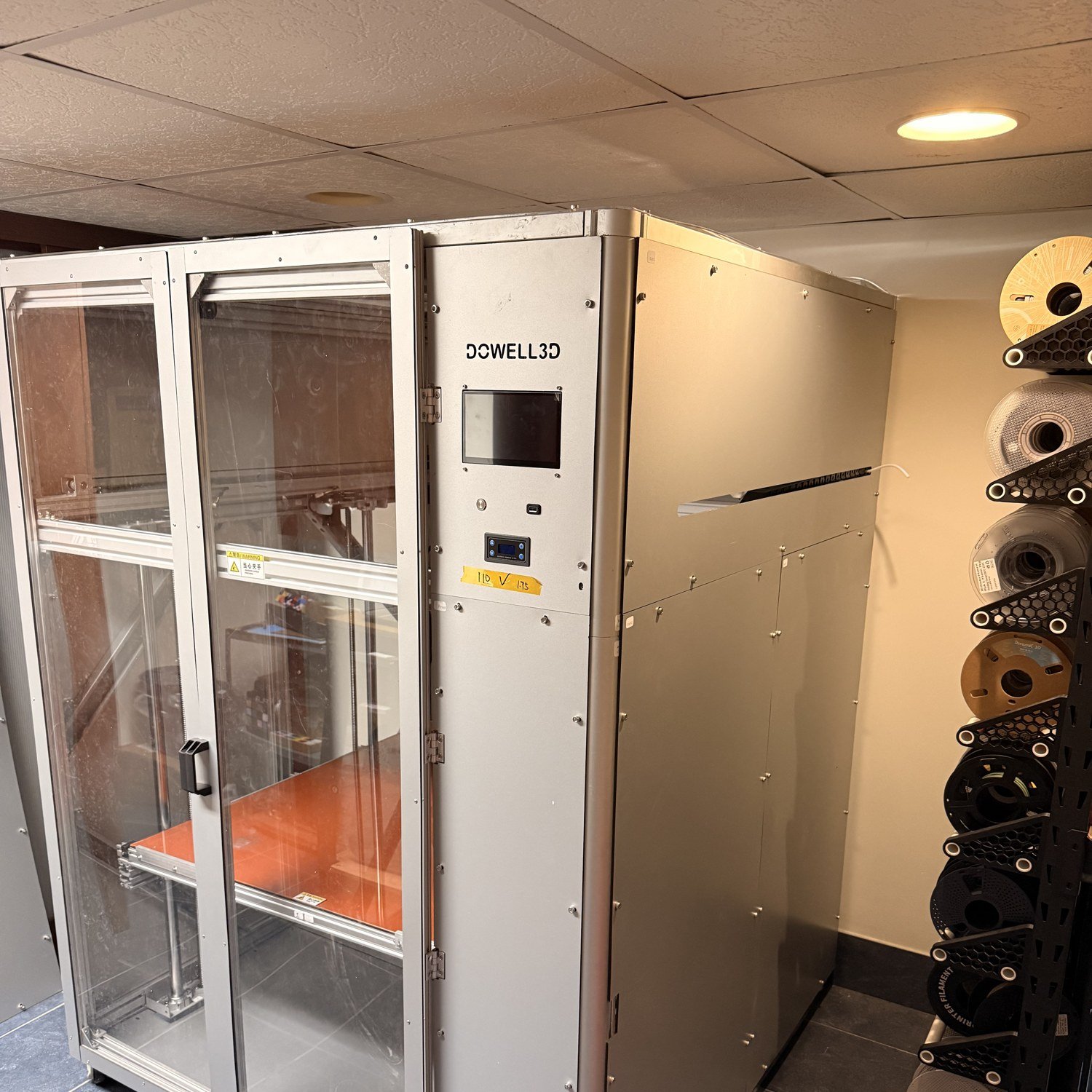
The large-format machine's full build envelope A metre of envelopeUp to 1000 mm in a build, so the design doesn’t have to be cut up to fit the machine.
Overview

A full cubic metre of build volume, run properly.

Large-format printing lets you produce full-scale functional prototypes, factory tooling, patterns and end-use parts without tooling spend and without outsourcing. The constraint stops being “what fits on the bed” and starts being what the part actually needs.

Size brings its own problems — warp, layer adhesion over long print times, and parts heavy enough that orientation decides whether they survive handling. We choose material, wall structure and orientation around those, not around what prints fastest.

Applications

What people print large.

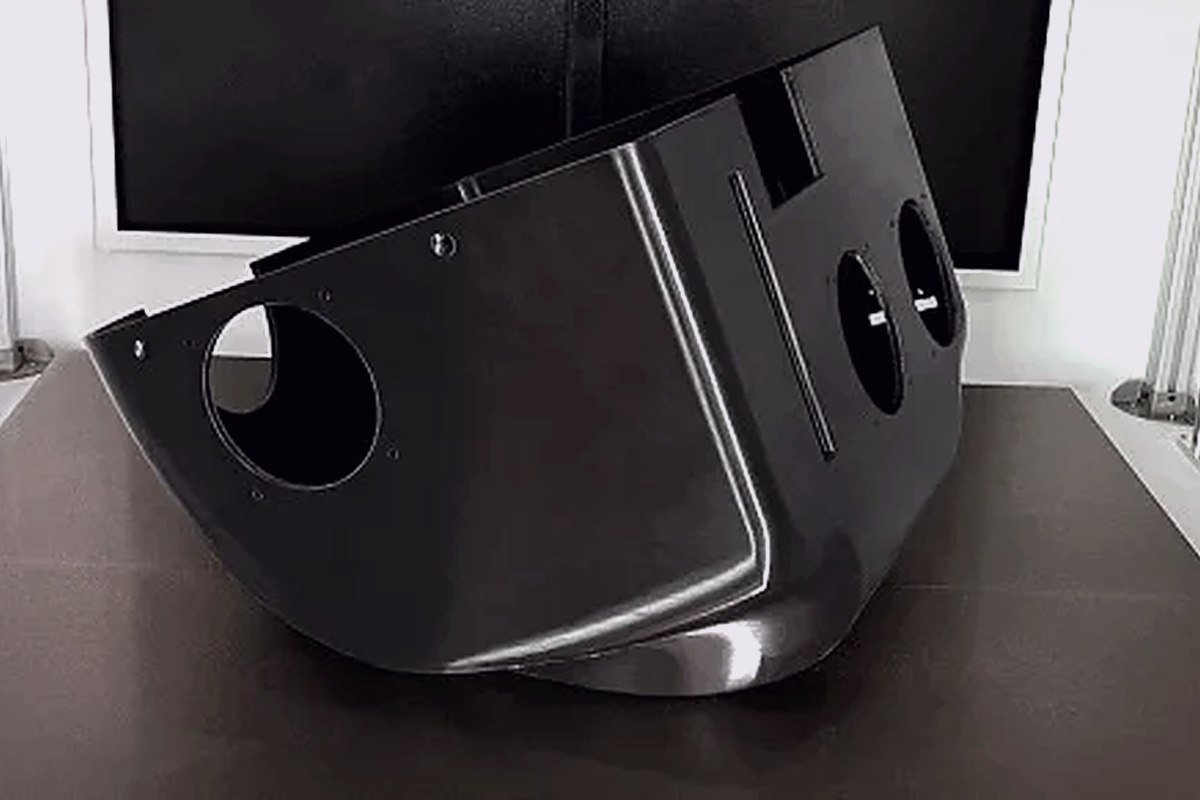
A large single-piece cowling printed on a large-format bed

Enclosures & Ducting

  • Big housings, cowlings and covers in one continuous piece
  • Air and fluid ducting with no internal joints to leak
  • ASA for anything that lives outdoors
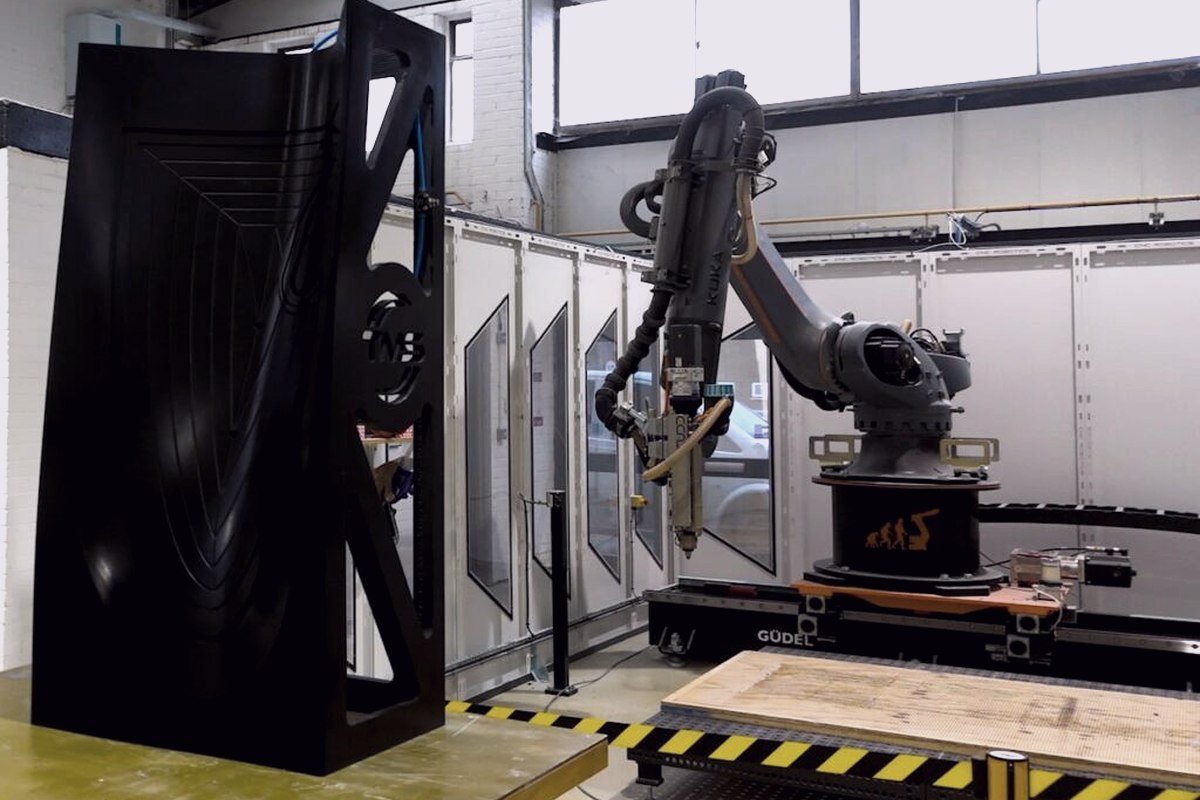
A tall printed tool beside a robotic extrusion arm

Tooling, Jigs & Fixtures

  • Full-size assembly fixtures and drill guides
  • Replaces machined tooling at a fraction of the cost
  • Made to the line, not adapted from a catalogue
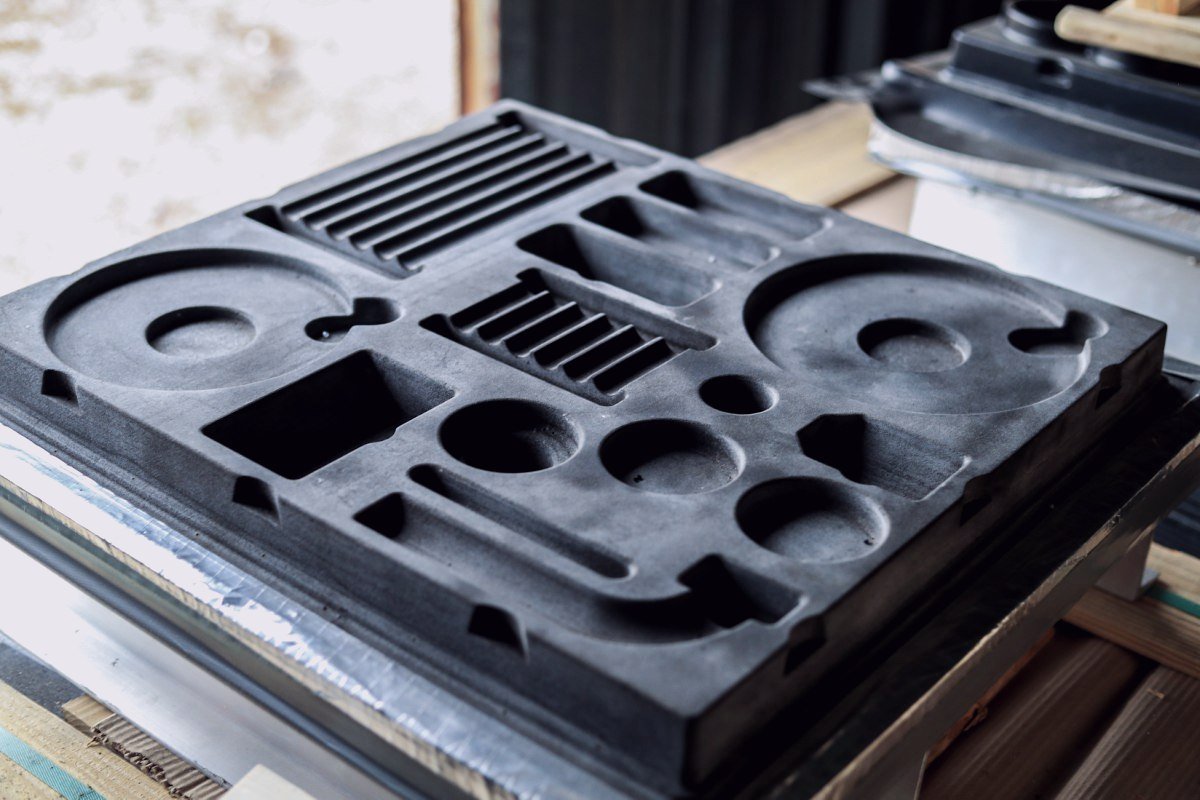
A printed mould tool with machined cavities

Patterns & Moulds

  • Vacuum-form bucks and composite layup tools
  • Foundry and casting patterns at full scale
  • Iterate the pattern in days, not weeks
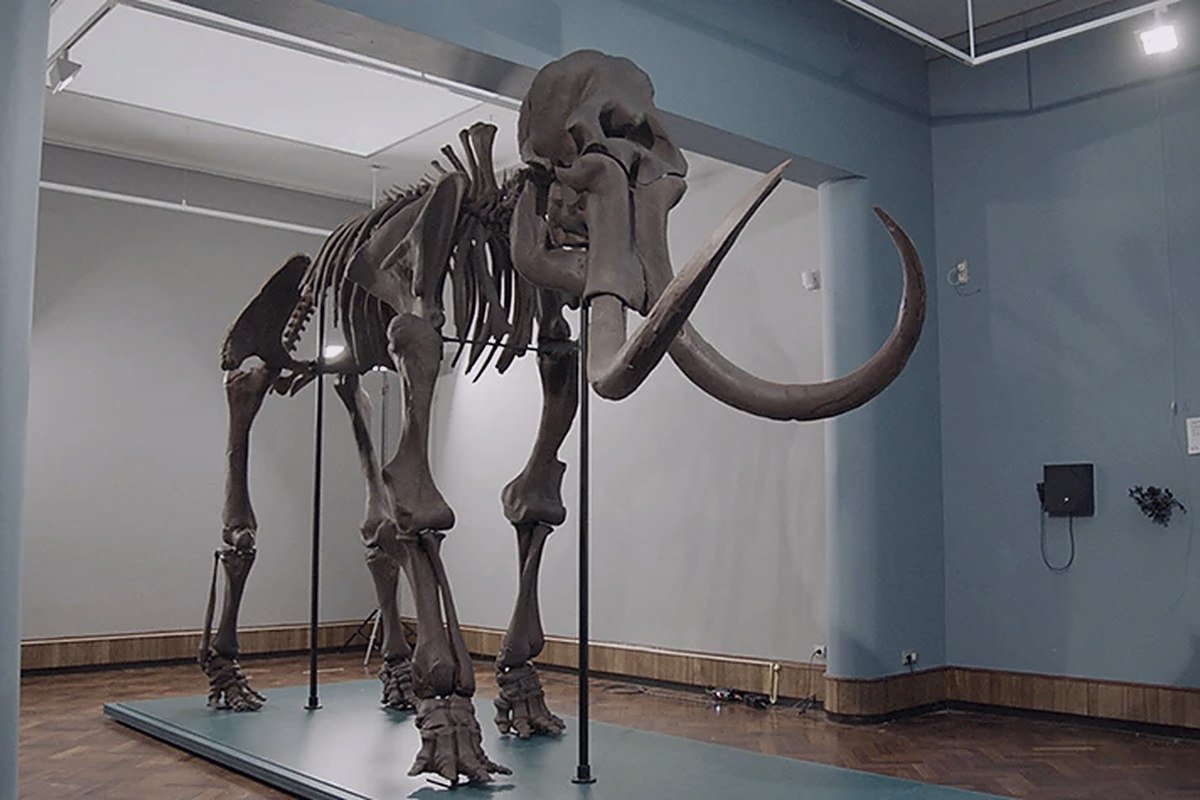
A full-scale skeleton reconstruction at exhibition size

Displays & Models

  • Trade-show pieces, signage and props at real scale
  • Architectural massing and presentation models
  • Finished and painted in-house if you want it ready to stand up
At a glance

Main advantages.

▣
1000 mmSingle-piece build envelope
◉
No seamsNothing bonded, nothing to split
☼
HeatedEnclosed chamber, low warp
⚙
4 materialsPETG, ASA, ABS, PLA stocked
⏱
5–10 daysStandard lead time
▶
Canada-wideCrated or local pickup
How we run it

Size is the easy part. Everything else isn’t.

Filament storage beside the large-format machine

Material chosen for warp, not price

A metre-long part shrinks measurably as it cools, and the corners lift first. PETG and ASA are the defaults here because they stay put over a long build; PLA is for display pieces that never see heat.

The print head laying down a wide perimeter

Walls and orientation over infill

On a big part, more infill mostly buys weight and print hours. Strength comes from perimeter count and from orienting the build so the layer boundaries don’t sit across the load — or across the point where someone will pick it up.

Photo — finishing
a large part

Finished, then crated

Supports removed, critical dimensions checked, and sanded, filled or painted if the part is going in front of people. Big parts get crated for shipping — they are the ones that arrive damaged otherwise.

Materials

Built for size and stability.

Large-format favours stable, warp-resistant materials. These are the go-to grades, with more available on request including custom colour matching.

MaterialBest forKey propertyStatus
PETGMost large functional partsTough, low-warp, weather-OKIn stock
ASAOutdoor enclosures & panelsUV & weather resistantIn stock
ABSHeat-tolerant toolingImpact & heat resistantIn stock
PLA / Tough PLADisplay & concept modelsRigid, dimensionally stableIn stock
Specification

The numbers, plainly.

ProcessFused deposition modelling (FDM / FFF), large-format
Maximum build sizeUp to 1000 × 1000 × 1000 mm in a single piece
Build chamberFully enclosed and heated
Layer height200–600 microns, chosen for part size and surface
Nozzle diameter0.6–1.2 mm depending on part size and detail
Typical tolerance±0.5 mm or ±0.3%, whichever is greater
Stocked materialsPETG, ASA, ABS, PLA — others to order
Post-processingSupport removal, sanding, filling, painting, threaded inserts, bonding for over-size parts
Accepted filesSTEP, STP, STL, 3MF, IGES, X_T, SLDPRT
Typical lead time5–10 business days depending on size and material
DeliveryCrated shipping Canada-wide, or pickup in Kitchener–Waterloo
Larger than 1000 mmSplit into mating sections and bonded, or run on high-performance FDM where strength matters more than size
How it works

File to big finished part.

1

Upload & quote

Send your model. We confirm size, material and orientation for strength.

2

Print

Your part runs as a single piece on the large-format machine.

3

Post-process

Supports removed, checked, and optionally sanded or finished.

4

Deliver

Crated or ready for local pickup in Kitchener–Waterloo.

Common questions

Large-format printing, answered.

How big can you print?
Up to roughly 1000 mm in a single piece. Larger than that we split intelligently and bond, or print in mating sections — send your model and we’ll advise the best approach.
Are big single-piece parts actually strong?
Stronger than the glued alternative, yes — printing in one piece removes the bond lines that fail first. Within the part itself, strength still depends on wall count and orientation, which we set for the load your part will see.
How much does large-format printing cost?
Pricing scales with material volume and print time, and a metre-scale part uses a lot of both. Upload your file for a quote, or contact us for very large or complex jobs.
What’s the lead time?
Typically 5–10 business days depending on size and material, with local pickup or delivery across the Waterloo Region and GTA, and crated shipping Canada-wide.
Which materials work best at large scale?
Low-warp, stable materials like PETG and ASA are ideal; ABS for heat tolerance and PLA for display models. We’ll recommend based on where the part lives.
Will it warp?
That’s the main failure mode at this size, which is why the chamber is heated and enclosed and why material choice matters more here than on small parts. We also design the first layer and orientation to keep the corners down.

Got something big to make?

Upload your model for a quote, or talk through the build with an engineer.